As any Coloradoan will tell you, there is a certain buzz about springtime in the Rockies. That initial bright green of spring contrasts with the still snow-covered mountains. The heavy hungers of winter give way to desires of lighter fare. If gardeners don’t already have their sprouts started, we get them going early in spring to prepare for the glory of growing season.
It’s cool enough where soup can still be had, though lighter soups prevail. Thoughts of onion types, and mushrooms dance in my brain. Flowers we associate as vegetables bring their signature to the party. Leafy greens and cabbages abound in spring. Fruit is still minimal, but around mid-spring strawberries and rhubarb become available.
Seafood certainly has a season as well, and while cod and oysters are on their way out of season, Halibut, swordfish, flounder and sole along with a school of others are on their way in. Purchasing seafood seasonally can help promote responsible fishing practices.
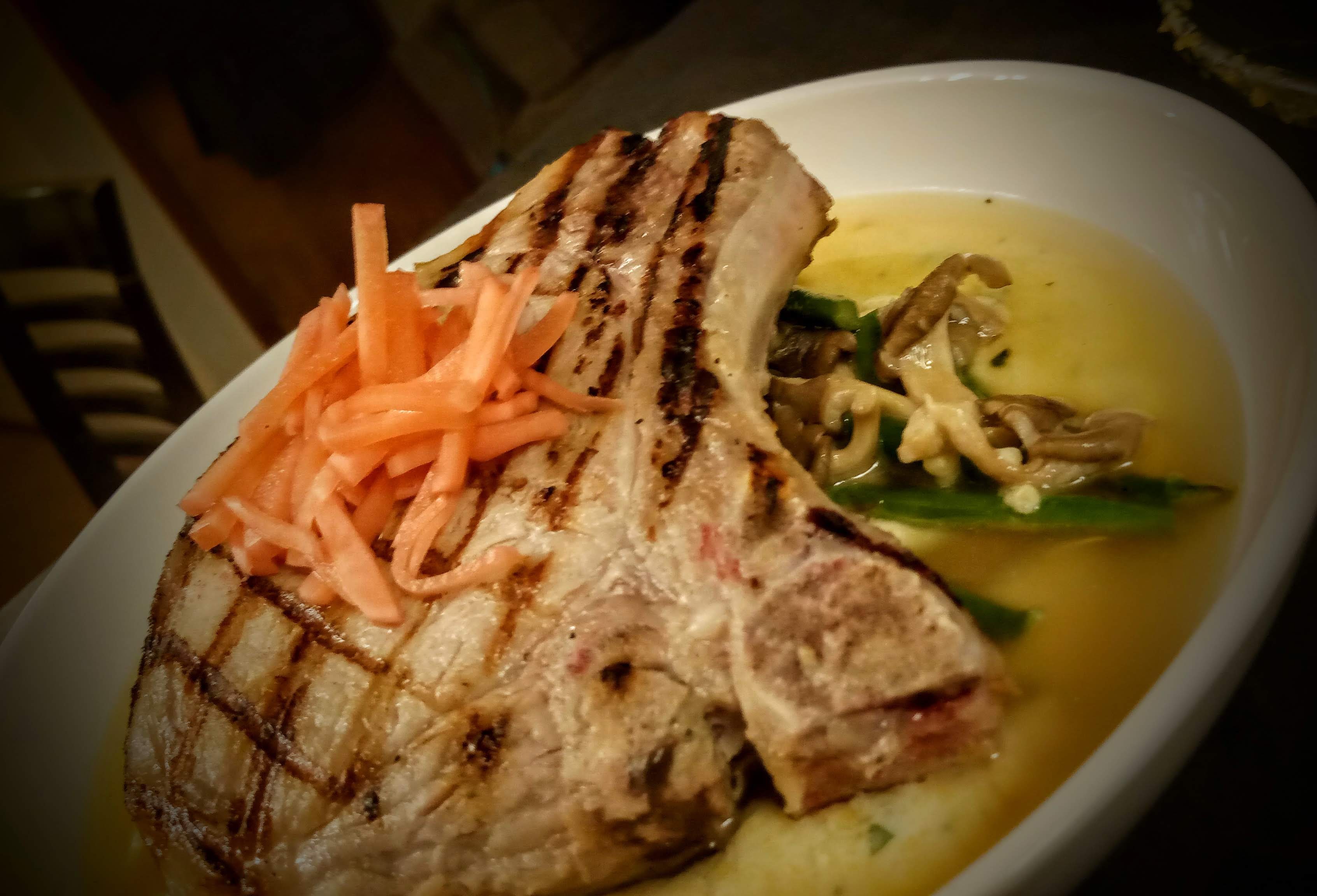
One of the first things to grow as the weather begins to warm, is mushrooms. The prized morel seems even more elusive in Colorado than in Michigan, but they can be found, particularly in recently burned areas. Morels are such a wonderful flavor, that they need little more than a sauté in a nice spoonful of butter and a pinch of salt. But Morels are not the only mushrooms to grace the Rockies! Chantrelles can be foraged, along with black oyster mushrooms. A royal mushroom of many names is also highly coveted. Sometimes called King Bolete, and other times Cèpes, but mainly known as Porcini, this big, meaty mushroom is a favorite among chefs and diners!
Stinging Nettle is also common in spring, though it seems uncommon to see a lot of restaurants using them. They pair beautifully with lovage, a floral celery like herb. Nettles, with their spinach-y flavor but fibrous (and stingy!) texture must be cooked, and go wonderfully in soup, or as a sauce. Lovage on the other hand is very delicate, and cooking too hard will destroy its flavor.
Onions and other members of their family are some of the first to pop up out of the ground. Unfortunately for me, Colorado is much too dry to grow the damp-loving ramp. Also called ‘wild leeks’ ramps have a lovely green leaf with a strong garlicky flavor, and a skinny pink stalk that is nice and oniony. The stalk pickles beautifully, and the leaves make a fabulous pesto. However, great leeks are grown in Colorado and their sweetness is just as enjoyable as their wild cousins. They are versatile and can be eaten raw if shaved thin, and are lovely with salads, or braised, then seared and used as side, perhaps with a piece of fish, and some fingerling potatoes.
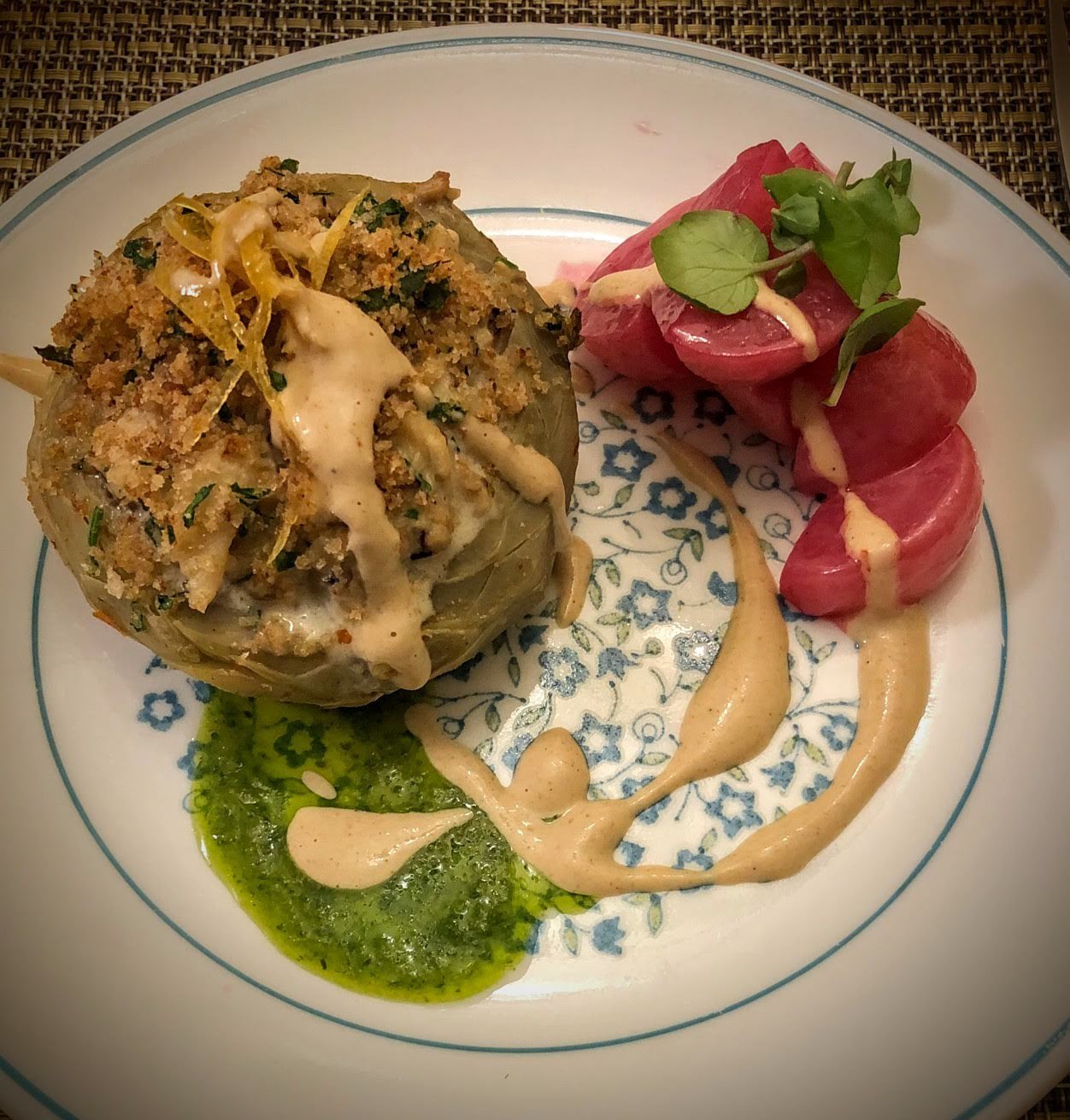
One of my favorite spring ingredients is undoubtedly artichokes. Botanically a flower, artichokes are a good deal of work to process, but the reward is worth the effort. Baby artichokes are nice because the choke hasn’t developed enough to be inedible yet, although they are more difficult to find in stores.
Artichoke petals have a small amount of edible flesh which is lovely when dipped in hollandaise. They also make a nice vehicle as a sort of canape for an amuse bouche. A poached heart (with the stem removed) is wonderful stuffed with mushroom duxelles and crab, and topped with breadcrumbs. Lemon, garlic, Red pepper flakes, bell peppers and parmesan or pecorino are all very standard pairings with artichokes.
It is virtually impossible to think of spring vegetables and not think of asparagus. Arguably, it could be considered the signature vegetable of the season. It is one of the first to grow, and (depending of course on where you are and the terroir of the region) stays great until the extreme heat of summer turns the plants woody. Spread a little herbed ricotta and parm blend (only good ricotta!) on a slice of prosciutto and wrap around raw or blanched asparagus with a little balsamic reduction for a simple and elegant hors d’oeuvres. They go beautifully with morels and ramps in all sorts of pasta dishes as well.
Little fruit is available, particularly in early spring, but Strawberries and Rhubarb are the first to grow. Of course, we all know the classic pie, but there is so much more to both of those fabulous ingredients. Any number of salads can be devised with them, and I find the peppery bite of arugula is nice with the sweetness of spring strawberries. Strawberries also make lovely sauces for use in savory or sweet applications.
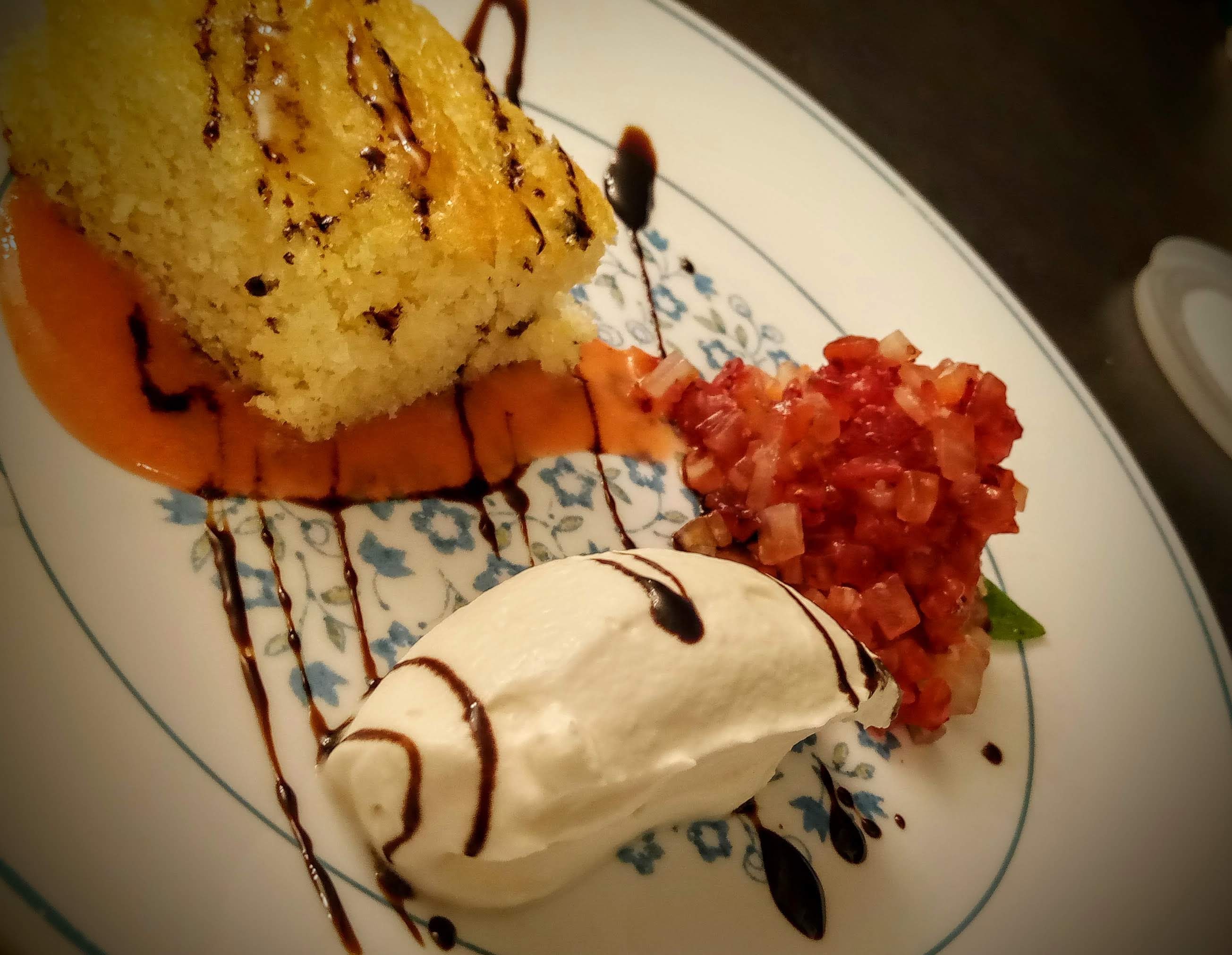
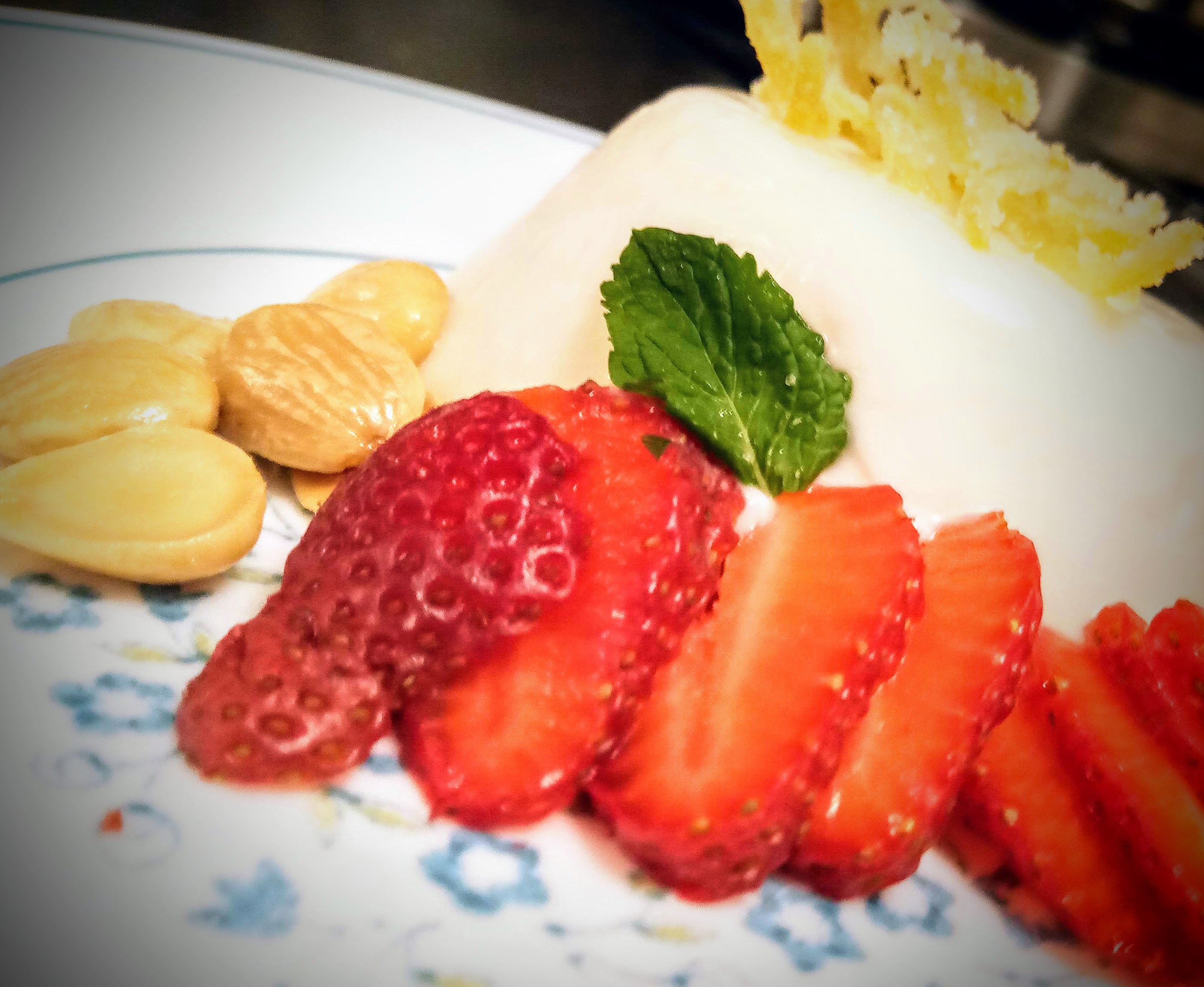
If you don’t have time to make a whole pie, a vanilla panna cotta with fresh, sliced strawberries, almonds and some simply candied lemon zest makes for a simple, and light dessert. They’re lovely as a crème brûlée. Growing up, a favorite of dessert of mine was strawberry short cake. I have come to create a modern and elegant plating of the American classic. Compressed strawberries are brunoised and piled to form a “digital” looking strawberry, with sliced, made from scratch (no bis-quick!), short cake served on a strawberry coulis and served with a quenelle of amaretto Chantilly cream. I also like a little balsamic reduction on this. It seems crazy, and everyone thinks it’s chocolate sauce. When they taste it the balsamic ties it all together in a very surprising way.
Often, people associate the brassica family with autumn, and while this is accurate, many of them are bi-seasonal. Things like broccoli, cauliflower, bok choy and other cabbages, and kale all do well in the cool temperatures of spring, before the heat of summer shuts the plants down. I love the use of preserved lemon in the spring. Brassicae are highlighted by lemon, and the salty-acidic flavor helps to balance the natural bitterness of them.
Radishes and Turnips are both quick to grow and enjoy the cooler climes of spring. Their sweet and peppery bite are great for more than just salads. At the restaurant this past weekend, we served a spring bruschetta: grilled bread spread with a beautiful, bright green scallion puree, thin-sliced Spanish dry chorizo, roasted local turnips, and pecorino then drizzled in olive oil before serving.
You don’t need liver and chianti to enjoy fava beans, but they are difficult to find fresh in stores, so your best bet is to find them at a local farm. They are laboriously tedious to process, but the reward is well worth it. Check the book Ottolenghi for a delightful recipe with them. They can stretch over many flavor profiles and are well suited toward East Asian flavors, as well as Mediterranean, Moroccan, and more!
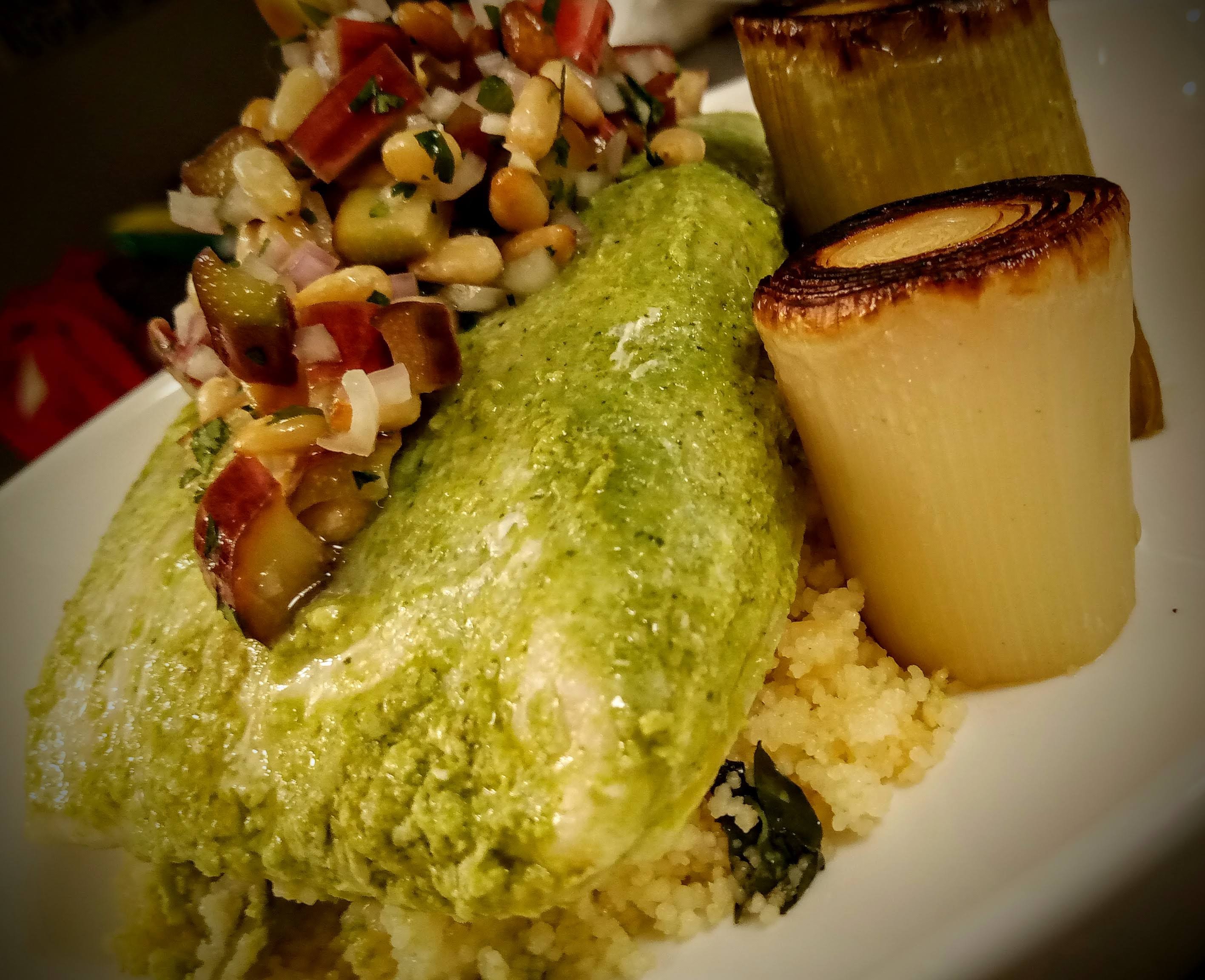
Undoubtedly, the king of spring is the highest prized flat fish: Halibut. When treated properly it is flaky and wonderful, when treated improperly it is dry and insipid. I prefer either poaching or sous vide for cooking halibut as the lower temperatures keep the fish flaky and moist. Pan searing and finishing in the oven is also great, but great care must be taken not to overcook it. Pictured below is Halibut sous vide in watercress pistou, Couscous with fava beans, preserved lemon and basil, braised leeks, and a macerated rhubarb and pine nut relish.
There is nothing quite like the warm welcome of spring. Our appetites lighten, and our cravings head toward lighter flavors. It seems so often that asparagus and artichokes overshadow so many other beautiful Spring ingredients, like turnips, nettles, lovage. It is a miraculous gift of nature that everything in the season grows in a way where it compliments everything else in that season. Spring has indeed sprung!
 Just Follow Food!